


By Andrea Timpano | Photos by Kyran M. John
 For many Americans, September 11 is a day to remember those who lost their lives in
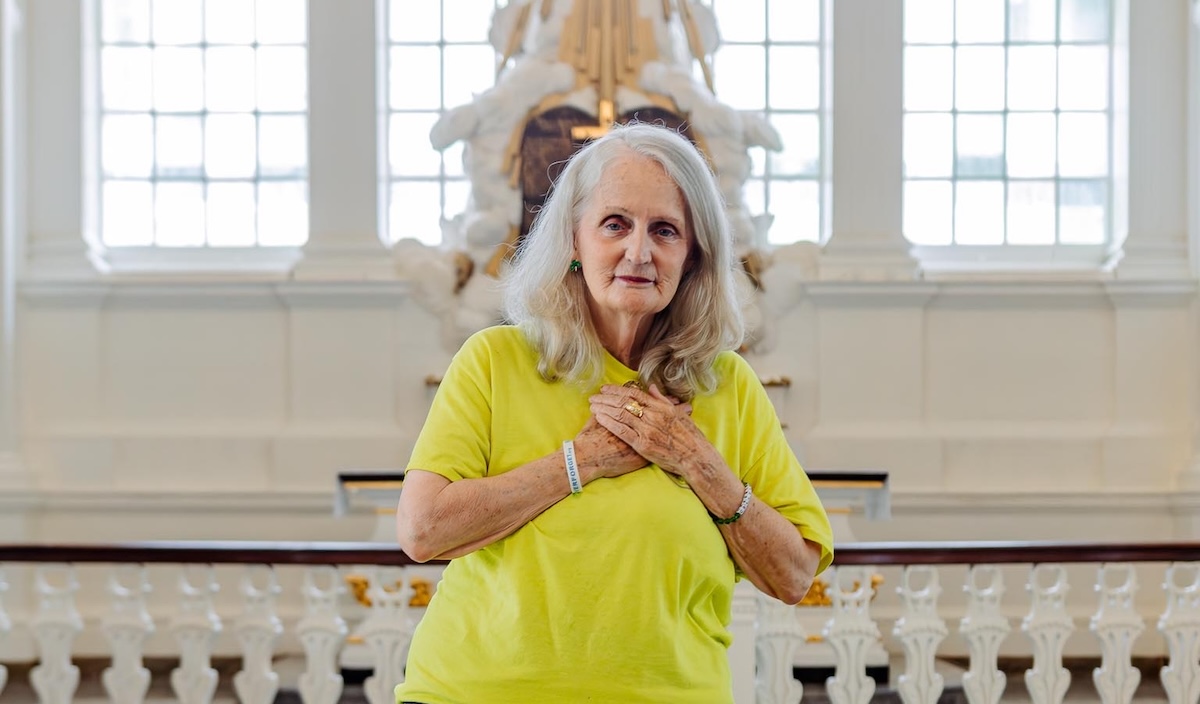
the terrorist attacks. For Barbara Horn ‘75, it’s also an occasion to pay tribute
to another group: the first responders and volunteers who aided in the 9-month rescue
and recovery effort that followed.
For many Americans, September 11 is a day to remember those who lost their lives in
the terrorist attacks. For Barbara Horn ‘75, it’s also an occasion to pay tribute
to another group: the first responders and volunteers who aided in the 9-month rescue
and recovery effort that followed.
That’s the idea behind Calling of the Names, an annual ceremony established by Horn and two friends. Typically attended by more than 150 people, the event invites participants to call out the names and affiliations of first responders and volunteers who have passed away since 9/11.
Horn says the inspiration for the ceremony came about 11 years ago, after she and one of her co-creators observed the 14th anniversary of the attacks at the 9/11 Memorial & Museum.
“They do a beautiful ceremony on September 11 to remember everybody who was lost [that day],” Horn says. “But by 2015, we'd lost over 1,000 responders who had come to help afterward. We thought, what about them?”
A Way to Say Thank You
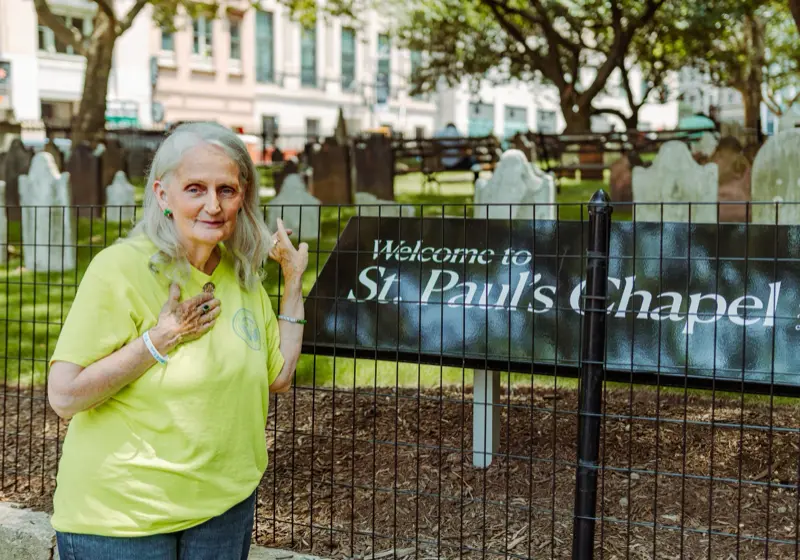 Horn and her collaborators officially launched Calling of the Names in 2016 to honor
the responders, many of whom had died of 9/11-related illnesses. The ceremony is held
every September 11 at the historic St. Paul’s Chapel, which is less than 300 feet
from the World Trade Center and served as one of two primary respite locations during
the months-long rescue and recovery effort.
Horn and her collaborators officially launched Calling of the Names in 2016 to honor
the responders, many of whom had died of 9/11-related illnesses. The ceremony is held
every September 11 at the historic St. Paul’s Chapel, which is less than 300 feet
from the World Trade Center and served as one of two primary respite locations during
the months-long rescue and recovery effort.
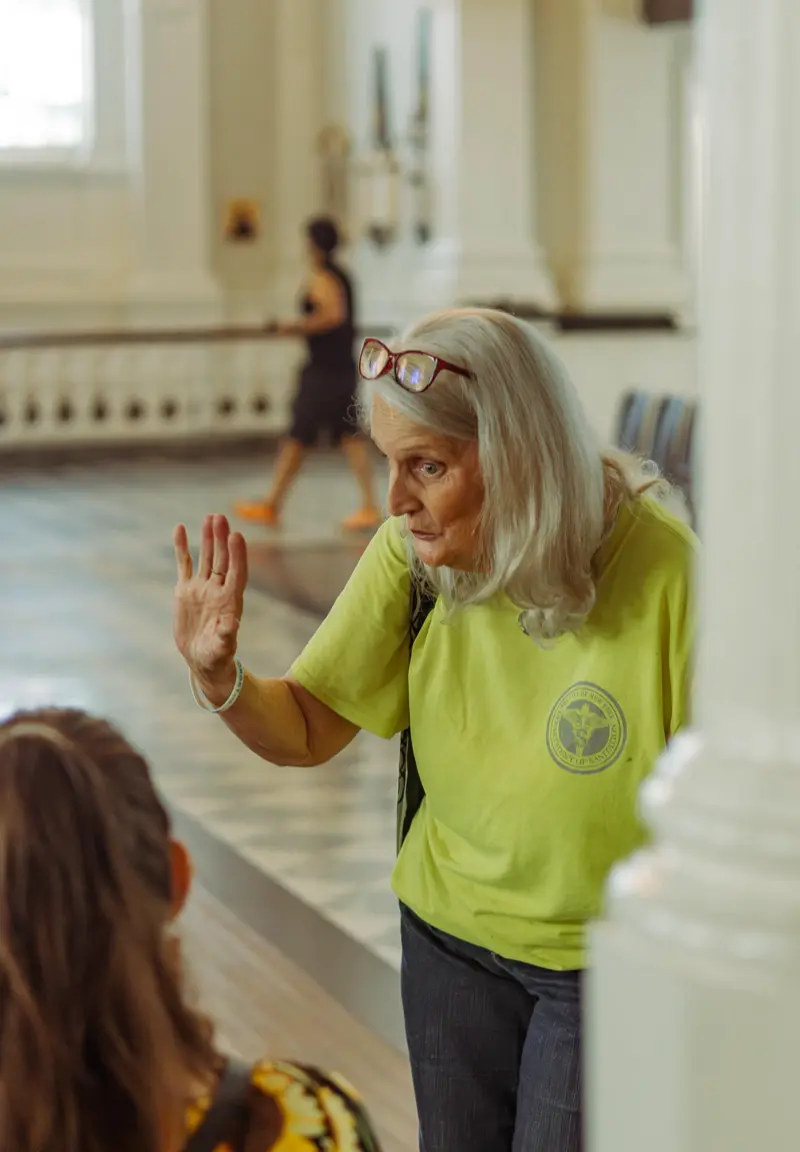
Horn herself was a volunteer at the chapel, where she prepared and served meals to the police officers, firefighters, sanitation workers, ironworkers, and others who came to recharge before returning to Ground Zero.
The experience left a lasting impression on Horn, who was born in Brooklyn and raised on Long Island.
“These people did tremendous things,” she says. “The responders’ efforts to recover victims’ remains brought comfort to so many families. The least we can do is say thank you.”
Giving Back
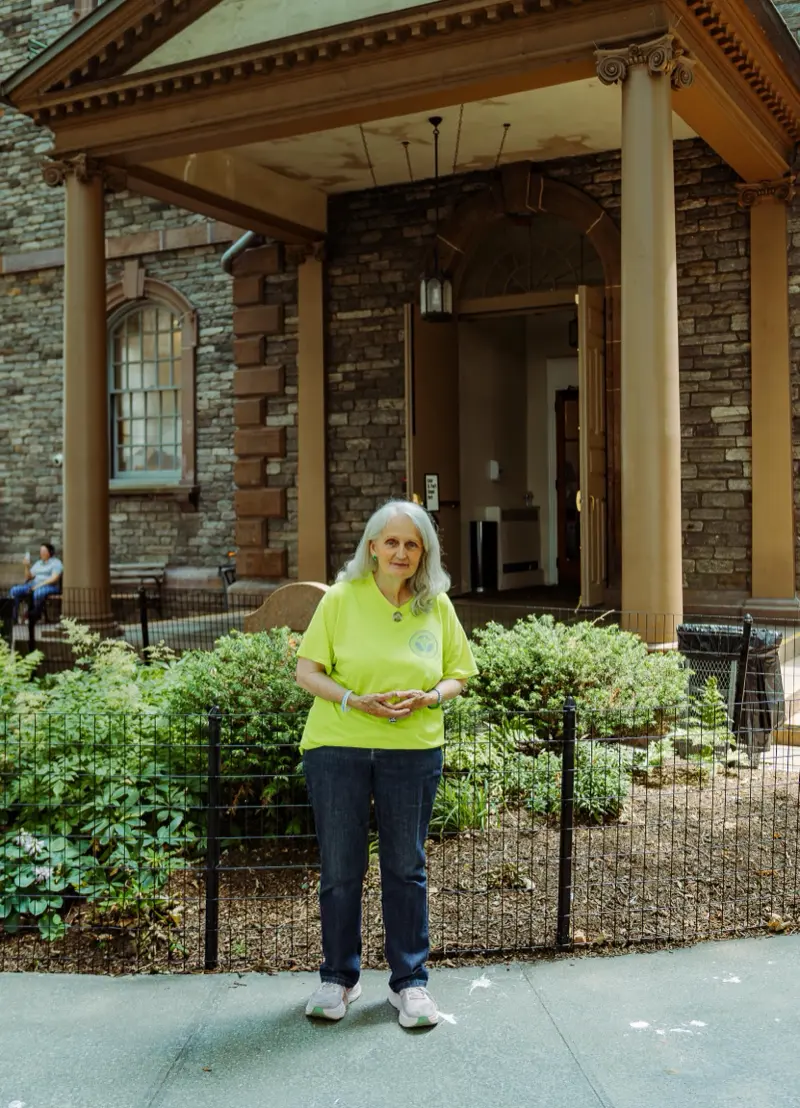 Since the ceremony’s inception, Horn has been collecting names of first responders
and volunteers who have died and including them in the yearly commemoration. When
she's able, she also attends their wakes and reaches out to their loved ones to let
them know about the ceremony and invite them to be involved.
Since the ceremony’s inception, Horn has been collecting names of first responders
and volunteers who have died and including them in the yearly commemoration. When
she's able, she also attends their wakes and reaches out to their loved ones to let
them know about the ceremony and invite them to be involved.
For Horn, it’s a way of giving back — something she encourages others to do whenever and however they can.
“If you have an opportunity to help in any kind of way, take it; it makes a difference, and it makes you a better person,” she says. “All those around you will be better off because of it.”